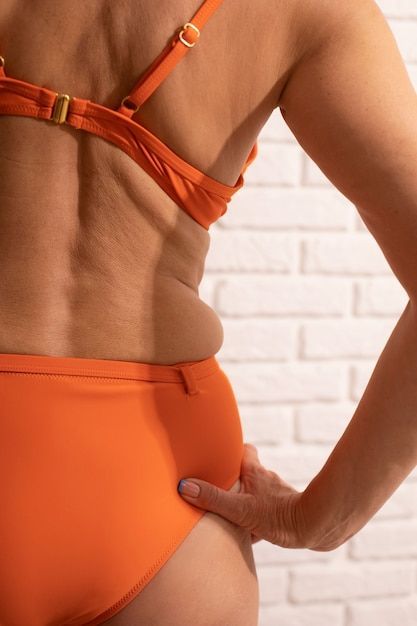
You’ve lost weight, you’re eating better, you’re working towards your body goals — but there’s still an area that doesn’t look quite the way you expected.
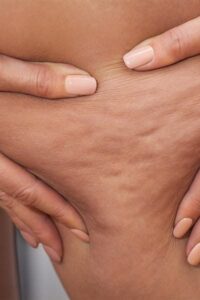
You pinch the skin and wonder:
“Is this still fat, or is it loose skin?”
It’s a really common question.
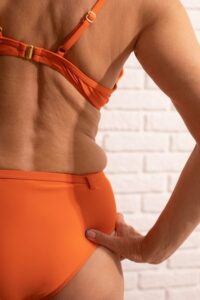
Loose skin and stubborn fat can sometimes look similar, particularly around the stomach, arms, thighs and hips. However, they are two different things, and understanding the difference can help you understand what your body may need.
What Is Stubborn Fat?
Stubborn fat is excess adipose tissue that remains in certain areas of the body despite weight loss or lifestyle changes.
Some areas naturally tend to hold onto fat more than others. Depending on your genetics, hormones, age and body composition, you may find that your stomach, hips, thighs, arms or other areas are particularly resistant to changes in body fat.
You might have lost weight overall but still have a noticeable pocket of fullness in one particular area.
That’s where the term “stubborn fat” comes from.
It doesn’t necessarily mean you’re doing anything wrong.
Your body doesn’t decide to lose fat evenly from every area. Unfortunately, it doesn’t come with a little remote control where you can press “belly fat: OFF.”
What Is Loose Skin?
Loose skin is different.
Skin is living tissue that stretches and adapts as your body changes.
When the body increases in size, the skin stretches to accommodate that change. After significant weight loss, pregnancy or other major changes in body size, the skin may not completely return to its previous tightness.
This can result in excess or lax skin.
The amount of loose skin a person develops can vary considerably depending on factors such as:
- How much weight was lost
- How quickly the weight was lost
- Age
- Genetics
- Skin elasticity
- How long the skin was stretched
- Pregnancy and other major changes in body size
So How Can You Tell the Difference?
There isn’t a perfect home test, but there are some clues that may help.
Loose skin often feels thinner and softer
Loose skin may feel more like a soft, flexible layer rather than a dense pocket of tissue.
You may notice that it folds or hangs more easily, particularly when sitting, bending or moving.
Some people describe it as feeling almost “empty” compared with areas where there is more underlying fullness.
Fat usually feels fuller underneath the skin
When an area contains more subcutaneous fat, there is generally more soft tissue beneath the skin.
You may notice a thicker, fuller layer when you gently pinch the area.
However, being able to pinch something does not automatically mean it’s fat.
Skin itself can be pinched too, and many areas of the body naturally have both skin and subcutaneous fat.
That’s why it isn’t always possible to determine the difference simply by looking or touching.
Can You Have Both Loose Skin AND Stubborn Fat?
Absolutely.
This is actually quite common.
Someone who has lost a significant amount of weight may have reduced their overall body fat but still have some remaining fat beneath skin that has also lost some of its elasticity.
That means an area can have:
Loose skin + remaining subcutaneous fat.
This combination can make it particularly difficult to determine exactly what’s contributing to the appearance of an area.
It can also explain why someone may still feel unhappy with their body shape even after achieving significant weight loss.
Why Doesn’t Losing More Weight Always Fix Loose Skin?
This is an important distinction.
If the issue is primarily excess skin, losing additional weight doesn’t necessarily make the skin tighter.
In some cases, losing more weight may actually make existing loose skin more noticeable because there is less underlying volume.
That’s why it’s important to understand whether you’re primarily dealing with remaining fat, loose skin, or a combination of both before deciding what approach makes sense for you.
What About Skin Tightening Treatments?
If loose or lax-looking skin is contributing to an area’s appearance, treatments designed to support skin tightening and improve the appearance of skin can be considered.
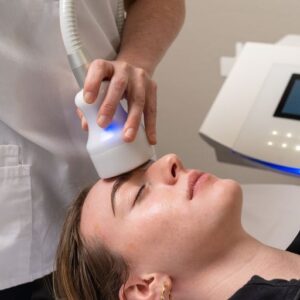
Radio frequency treatments, for example, use controlled energy to heat tissue and are commonly used in aesthetic treatments designed to support collagen-related skin improvements.
At Curve-U, treatments such as RF and other body-contouring technologies may form part of a personalised treatment approach depending on the individual’s goals and suitability.
The important thing is to have realistic expectations.
Body contouring isn’t the same thing as surgical removal of excess skin.
If someone has a significant amount of excess skin, surgical options may be more appropriate, and this should be discussed with a qualified medical professional.
What If It’s Stubborn Fat?
If the main concern is localised areas of excess fat, non-surgical body-contouring treatments may be an option for suitable clients.
Treatments such as cavitation, laser lipolysis and other body-contouring technologies are designed with different mechanisms and treatment goals in mind.
The right treatment depends on the area being treated, your individual goals and your suitability for the treatment.
There isn’t one treatment that is automatically best for everyone.
Why Your Body May Look Different After Weight Loss
One thing that can be surprising after weight loss is that losing weight and changing your body shape aren’t always exactly the same thing.
You can become lighter without achieving the exact shape you imagined.
Your genetics, muscle mass, fat distribution, skin elasticity and where your body naturally stores fat all contribute to your appearance.
That’s why two people can lose the same amount of weight and have completely different-looking bodies.
Your body isn’t failing.
It’s simply your body.
How Can You Know What You’re Actually Dealing With?
If you’re unsure whether a particular area is primarily stubborn fat, loose skin or a combination of the two, a professional assessment can help you understand your options.
At Curve-U, we can discuss your concerns, assess the treatment area and help determine which treatments may be suitable for your individual goals.
And remember: you don’t have to lose more weight just because one particular area hasn’t changed the way you expected.
Sometimes the scale isn’t the problem.
Sometimes it’s about body composition, skin elasticity and how your body has responded to weight loss.
The Bottom Line
Loose skin and stubborn fat can look similar, but they aren’t the same thing.
Stubborn fat is excess fat stored beneath the skin.
Loose skin is skin that has lost some of its firmness or elasticity after being stretched.
And sometimes, you can have both.
Understanding the difference is important because the most appropriate approach depends on what’s actually contributing to the appearance of the area.
At Curve-U, our goal isn’t to promise a “perfect” body.
It’s to help you understand your options and work towards the body-confidence goals that matter to you.