
A double chin is one of those things that can be incredibly frustrating—especially when you’re otherwise happy with your weight. You might eat well, exercise regularly and maintain a healthy weight, yet still notice fullness underneath your chin.
The good news? A double chin isn’t necessarily a sign that you are overweight. Several factors can contribute to submental fullness (fat or fullness beneath the chin), and your overall body weight is only one piece of the puzzle.
What Causes a Double Chin?
1. Genetics
Sometimes, you can simply thank your DNA.
Genetics can influence where your body stores fat, the shape of your jawline and how much natural fullness you have beneath your chin. This means someone who is slim can still naturally have a softer jawline or a small pocket of fat underneath the chin.
If other members of your family have similar facial features, genetics may be playing a role.
2. Ageing and Loss of Skin Elasticity
As we age, the skin gradually loses some of its collagen and elasticity. The tissues supporting the jawline can also change over time.
This can lead to:
- Looser skin beneath the chin
- Less defined jawline
- A heavier-looking lower face
- Fine lines and crepey skin
- A combination of loose skin and underlying fat
Importantly, loose skin isn’t the same thing as excess fat. This distinction matters when deciding what type of treatment may be appropriate.
3. Your Natural Facial Structure
The appearance of a double chin isn’t determined by body fat alone.
Your jaw shape, chin projection, neck length and facial proportions can all affect how defined your jawline appears.
For example, a person with a smaller or less prominent chin may appear to have more fullness beneath the chin even when they have very little excess fat.
4. Weight Changes
Although you don’t need to be overweight to have a double chin, weight gain can increase fat storage beneath the chin for some people.
Interestingly, losing weight doesn’t always completely eliminate it.
You may reach your goal weight and still have a small, stubborn area of fullness beneath your chin that doesn’t respond in the same way as the rest of your body.
5. Posture
Your posture can also temporarily change how your chin and neck look.
Looking down at your phone, sitting with your head forward or slouching can compress the skin underneath the chin and make the area appear fuller.
Of course, posture isn’t going to create a pocket of fat—but it can definitely make an existing area of fullness more noticeable.
And yes, your phone may be contributing to your “double chin” selfies. 😂
Can You Lose a Double Chin by Losing Weight?
Sometimes—but not always.
If excess body fat is contributing to your double chin, overall weight loss may reduce the area. However, you cannot choose exactly where your body loses fat first.
This is why someone can lose weight from their face, waist or legs while still having fullness underneath the chin.
Once you’re at a healthy, comfortable weight, stubborn areas may remain because of genetics, fat distribution, skin laxity or facial structure.
What Can You Do About a Double Chin?
The right approach depends on what is actually causing the fullness.
If the main concern is localised fat, treatments designed to target fat may be considered. If loose skin is the bigger concern, treatments aimed at improving skin firmness may be more appropriate.
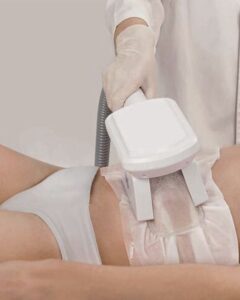
At Curve-U, treatments such as RF (Radio Frequency) and other non-invasive body and facial treatments can be discussed as part of a personalised treatment plan.
RF works by delivering controlled radio-frequency energy to tissue, creating a warming effect that is used in aesthetic treatments to support skin tightening and collagen-related processes.
The important thing is not to assume that every double chin needs the same treatment. Fat, loose skin and facial structure are different concerns and should be assessed differently.
Does Having a Double Chin Mean You’re Unhealthy?
Not necessarily.
A double chin is primarily an aesthetic concern for many people and can occur at a wide range of body weights.
Having one doesn’t automatically mean that you need to lose weight or that you are unhealthy.
Sometimes, it’s simply where your body naturally stores fat or how your facial structure is shaped.
The Bottom Line
If you’re at a healthy weight but still have a double chin, you’re definitely not alone.
A double chin can be influenced by genetics, facial structure, ageing, skin elasticity, weight changes and localised fat distribution. Understanding what’s actually contributing to the appearance is the first step toward choosing an appropriate treatment.
If you’re bothered by fullness beneath your chin, a consultation can help determine whether you’re primarily dealing with localised fat, skin laxity or a combination of both, and which treatment options may be suitable for you.