
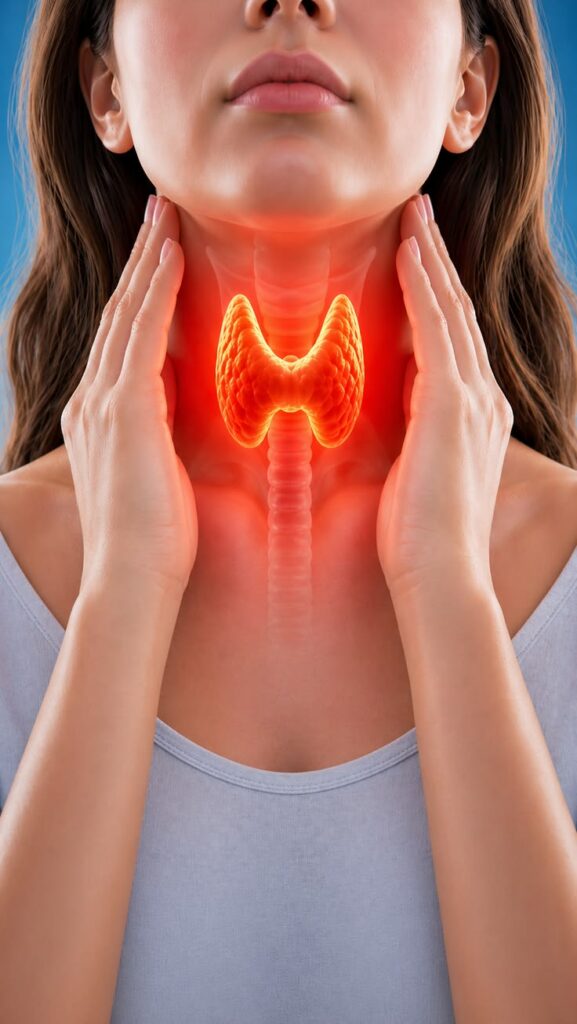
Many people believe that every weight problem is caused by the thyroid, but the truth is more complex. While the thyroid gland plays a vital role in regulating metabolism, only certain thyroid disorders significantly affect body weight. Understanding how the thyroid works can help you make informed decisions about your health and weight management.
What is the thyroid?
The thyroid is a small butterfly-shaped gland located at the front of your neck. It produces hormones called T3 (triiodothyronine) and T4 (thyroxine), which help regulate:
- Metabolism
- Energy production
- Body temperature
- Heart rate
- Digestion
- Muscle function
- Weight regulation
When the thyroid produces too little or too much hormone, it can affect many systems throughout the body.
Hypothyroidism (Underactive Thyroid)
Hypothyroidism occurs when the thyroid does not produce enough hormones. This slows the body’s metabolism.
Common symptoms include:
- Weight gain
- Difficulty losing weight
- Fatigue
- Feeling cold
- Dry skin
- Hair thinning
- Constipation
- Depression
- Slow heart rate
- Puffy face
How much weight gain does hypothyroidism cause?
Although hypothyroidism can contribute to weight gain, it usually accounts for only 2 to 5 kg. Much of this gain is due to fluid retention rather than body fat.
Once thyroid hormone levels are properly treated, losing weight often becomes easier, but treatment alone is not usually enough to produce significant weight loss.
Hyperthyroidism (Overactive Thyroid)
Hyperthyroidism occurs when the thyroid produces too much hormone, speeding up the metabolism.
Common symptoms include:
- Unintentional weight loss
- Increased appetite
- Rapid heartbeat
- Anxiety
- Tremors
- Sweating
- Heat intolerance
- Difficulty sleeping
- Frequent bowel movements
People with hyperthyroidism often lose weight despite eating normally or even more than usual.
Why a Healthy Thyroid Doesn’t Prevent Weight Gain
Many people with normal thyroid function still struggle with weight. Weight gain is influenced by many factors, including:
- Calorie intake
- Physical activity
- Muscle mass
- Sleep quality
- Stress
- Genetics
- Certain medications
- Hormonal conditions such as PCOS
- Aging
A normal thyroid does not make someone immune to gaining weight.
Can Thyroid Medication Help You Lose Weight?
No.
Thyroid medication should only be taken if prescribed for a diagnosed thyroid disorder. Taking thyroid hormone unnecessarily can cause serious side effects, including:
- Heart rhythm problems
- Bone loss
- Anxiety
- Muscle weakness
- Increased risk of osteoporosis
It is not a safe weight-loss medication.
How is Thyroid Disease Diagnosed?
A healthcare provider can diagnose thyroid disorders using blood tests, including:
- TSH (Thyroid Stimulating Hormone)
- Free T4
- Sometimes Free T3
- Thyroid antibody tests if autoimmune thyroid disease is suspected
Symptoms alone are not enough to diagnose a thyroid condition.
Supporting Weight Loss with a Thyroid Disorder
If you have hypothyroidism, successful weight management still relies on healthy lifestyle habits alongside appropriate medical treatment.
Helpful strategies include:
- Taking thyroid medication exactly as prescribed
- Eating a balanced, calorie-controlled diet
- Including enough protein
- Strength training to preserve muscle
- Regular physical activity
- Getting adequate sleep
- Managing stress
- Following up regularly with your healthcare provider
The Bottom Line
The thyroid plays an important role in regulating metabolism, but it is only one piece of the weight management puzzle. An underactive thyroid can contribute to modest weight gain and make weight loss more challenging, while an overactive thyroid often causes weight loss. Proper diagnosis and treatment are essential, but long-term weight management still depends on nutrition, physical activity, healthy habits, and addressing any underlying medical conditions.
If you suspect a thyroid problem, speak to your healthcare provider. A simple blood test can determine whether your thyroid is functioning normally and help guide the appropriate treatment plan.