Ozone therapy is often discussed in both medical and wellness spaces, but it is important to understand what credible sources say about its role and limitations. According to the Cancer Association of South Africa (CANSA), ozone is a highly reactive gas made up of three oxygen atoms that can interact with the body by donating oxygen to unstable molecules known as free radicals
What ozone therapy is
CANSA explains that ozone therapy is used to improve the body’s use of oxygen and to activate certain biological responses, including immune activity
In medical contexts, it has been explored for its ability to limit the effects of bacteria, viruses, fungi, and other microorganisms, as well as for its potential role in supporting circulation and managing certain conditions
Forms of ozone therapy
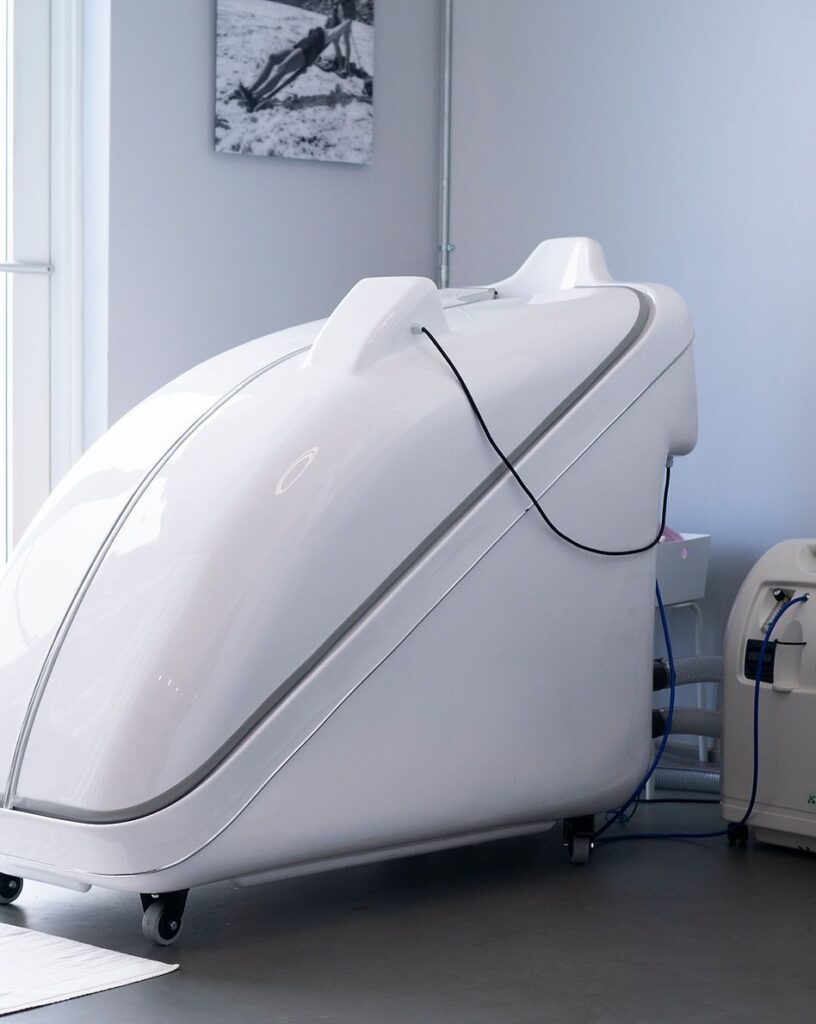
Ozone can be applied in different ways depending on the setting. These include topical applications such as ozonated oils, ozonated water, injections, and gas-based treatments such as ozone saunas
An ozone sauna is a non-invasive method where the body is exposed to ozone in a controlled environment while encouraging sweating and circulation.
Potential effects on the body
Research referenced by CANSA suggests that ozone therapy may trigger antioxidant and anti-inflammatory responses in the body, which can play a role in reducing oxidative stress and supporting overall function
Some clinical observations have shown improvements in pain and inflammatory-related conditions when ozone therapy is used alongside conventional treatment, rather than as a replacement
Limitations and medical guidance
CANSA clearly states that ozone therapy should not be considered a stand-alone treatment for serious medical conditions such as cancer
They emphasise that it should only be used under appropriate medical guidance, particularly in clinical or therapeutic contexts. This highlights the importance of positioning ozone therapy as a supportive or complementary approach rather than a primary treatment.
Role in a wellness and slimming setting
Within a wellness environment, ozone sauna therapy is used as a supportive treatment rather than a direct fat-loss solution. While it does not replace a calorie deficit or targeted fat-reduction treatments, it may assist the body by supporting circulation, promoting sweating, and contributing to overall wellbeing.
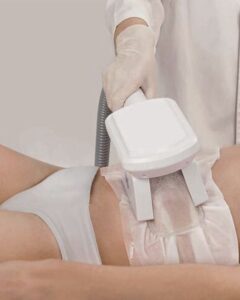
When clients feel better physically and experience improved circulation and reduced inflammation, they are often able to respond more effectively to structured slimming programmes that include treatments such as cavitation, radio frequency, EMS, laser lipolysis, and cryolipolysis.
A balanced approach
The most effective approach is one that combines realistic expectations with scientifically supported methods. A calorie deficit remains the foundation of fat loss, while advanced slimming treatments target specific areas and improve body contour. Ozone sauna therapy can be included as part of this broader strategy to support the body during the process.
By understanding both the potential benefits and the limitations outlined by CANSA, clients are able to make informed decisions and approach ozone therapy as part of a well-rounded, supportive slimming and wellness programme.