
With weight loss and body contouring becoming more popular than ever, many clients are unsure where medical weight loss ends and where aesthetic treatments begin. While both play valuable roles, they serve very different purposes – and understanding the difference is essential for safe, effective, and long-term results.
What Is Medical Weight Loss?
Medical weight loss is a doctor-led approach focused on managing weight through clinical assessment and prescription medication when appropriate.
This may include:
- Prescription medications such as GLP-1 receptor agonists
- Blood tests and medical screening
- Monitoring of blood sugar, hormones, and metabolic health
- Ongoing medical supervision
Medical weight loss targets internal metabolic and hormonal factors that influence appetite, insulin resistance, and weight regulation.
Because these treatments affect multiple systems in the body, they must be prescribed and monitored by a qualified medical doctor and dispensed by a registered pharmacist.
What Are Aesthetic Slimming & Body Contouring Treatments?
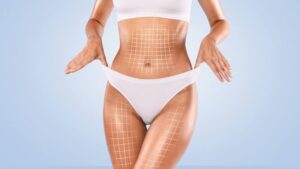
Aesthetic treatments focus on the physical appearance of the body, rather than internal metabolic processes.
These treatments include:
- Fat freezing
- Ultrasonic cavitation
- Radio frequency (RF) skin tightening
- EMS muscle stimulation
- Lymphatic drainage
- Plasma Pen skin tightening
- Cellulite and body contouring treatments
Aesthetic treatments help to:
- Reduce localised fat pockets
- Tighten loose or sagging skin
- Improve body shape and contour
- Smooth the appearance of cellulite
- Enhance overall skin quality
They are non-invasive, non-surgical, and do not involve medication.
Why Clinics Should Not Prescribe Medication
Aesthetic clinics are not medical practices, and ethically should never:
- Prescribe medication
- Sell prescription-only drugs
- Advise on dosage of medical treatments
Medical weight loss requires:
- A medical diagnosis
- Screening for contraindications
- Monitoring for side effects
- Clinical accountability
Any clinic offering prescription medication without a doctor’s involvement places clients at serious health risk.
Why Medical Weight Loss and Aesthetic Treatments Work Best Together
While medical weight loss can assist with overall fat reduction, it does not address everything.
Common challenges after medical weight loss include:
- Loose or sagging skin
- Stubborn fat areas
- Loss of skin firmness
- Changes in body shape
- Reduced muscle tone
This is where aesthetic treatments play a crucial role.
When combined responsibly:
- Medical weight loss supports internal fat reduction
- Aesthetic treatments improve body contour and skin quality
- Skin tightening treatments support post-weight-loss changes
- Results appear smoother, firmer, and more balanced
The goal is health first, aesthetics second — never the other way around.
Choosing a Safe and Ethical Approach
A responsible weight loss journey should always include:
- Medical care handled by a doctor
- Aesthetic treatments performed by trained professionals
- Clear boundaries between medical and cosmetic services
- Honest expectations and realistic outcomes
There is no single solution that works for everyone, and no shortcut that replaces proper care.
Final Thoughts
Medical weight loss and aesthetic treatments are not competitors — they are complementary when used correctly and ethically.
True transformation happens when:
- Health is prioritised
- Treatments are used within their scope
- Clients are educated, not pressured
A safe, informed approach always delivers the best long-term results — for both your body and your health.